
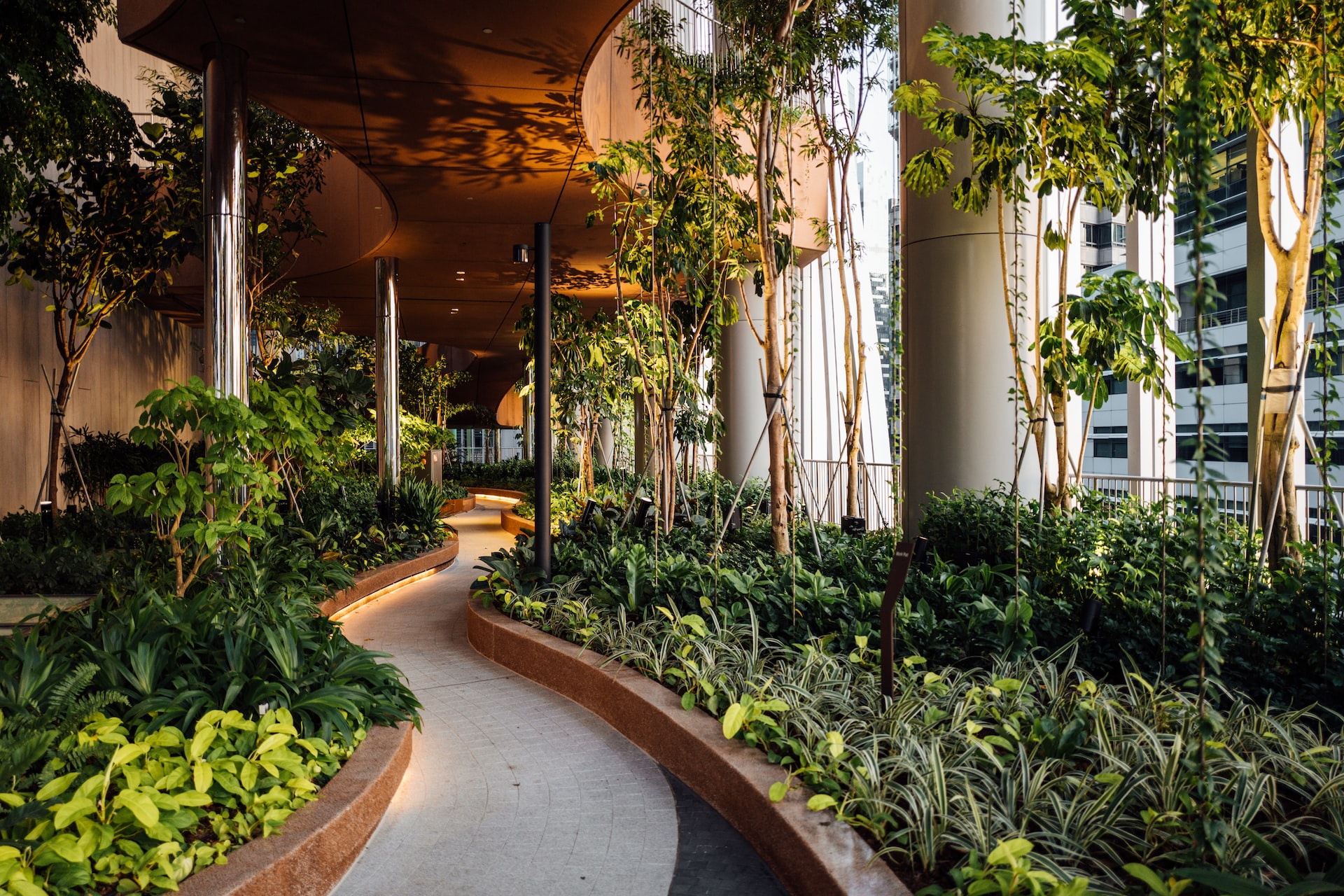
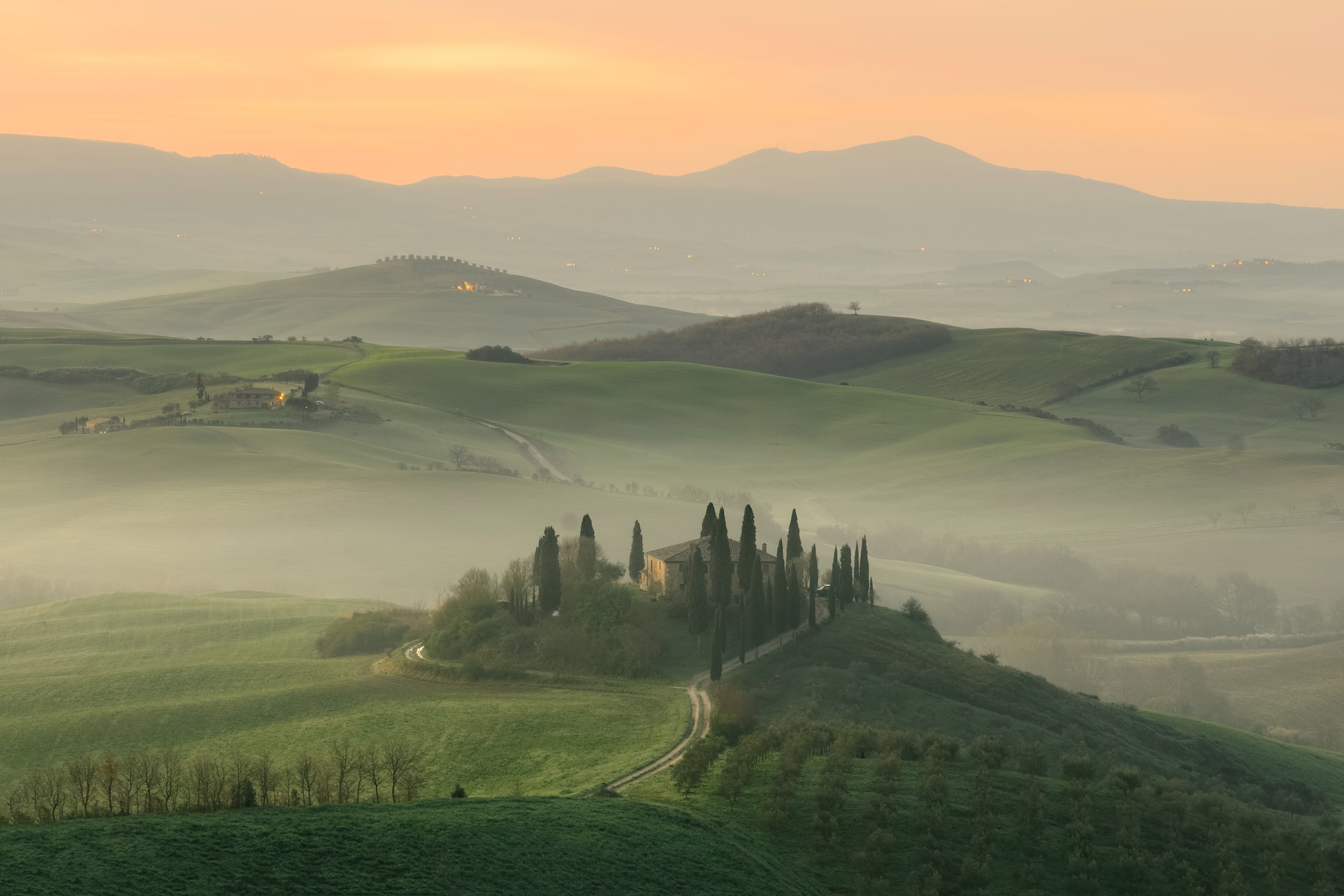
The company will be the only farm in the northern area of Mbuji Mayi to provide the local community with organically grown vegetables and cereals, organically raised chickens, goats and cattle, goat milk, cattle milk, cheese & butter eggs, meat, processed dairy products, process meat products, hospitality facility as a holiday resort.
The macroeconomic environment in the Democratic
Republic of the Congo (DRC) has improved markedly in recent years, yet the lives of most
Congolese have not. According to the International Monetary Fund, from 2010-2015 real GDP growth
averaged 7.3 percent, well above the Sub-Saharan African average of 4.6 percent. However, the
difficult external environment and increased political uncertainty have depressed the near-term
economic outlook.
Economic growth is expected to fall from almost seven percent in 2015 to less than four
percent in 2016-17. According to the 2015 Human Development Index, the DRC continues ranks
among the poorest countries in the world (176 out of 187
countries ranked), with one of the highest
rates of extreme poverty in the world. Child malnutrition is widespread, and most of the population lives in
conditions of moderate to serious food insecurity. The DRC is a Feed the Future (FTF) aligned
country. USAID’s agriculture assistance focuses on livelihoods development and improving household
income so that poor communities are more stable and resilient, and are better able to participate
in the market.
USAID research activities are developing and introducing disease resistant strains of
cassava. USAID’s agriculture activities also support women’s empowerment, as women make up a significant
proportion of Congolese farmers, have the greatest control over family nutrition, and tend to be
among the poorest. "The food situation for many people in the
Democratic Republic of the Congo remains desperate, with so many different obstacles - insecurity, disease,
devastation and lack of infrastructure, low access to quality inputs and finance to name but a few -
ganging up against their chances of being able to properly feed themselves and their families.
The only
way to break the cycle and shift these trends is to help them increase their resilience and
productivity," said Aristide Ongone, the FAO Representative in the DRC
"These numbers are a wake-up call for more
action and to do things differently," said WFP DRC Country Representative and Country Director, Peter
Musoko. "Right now, it feels like we're bailing out a leaky boat. We need to get together with the government,
our partners and the private sector, to figure out how to give hope to the people of this
country."
The Democratic Republic of the Congo (DRC) is
blessed with great agricultural potential. It has 80 million hectares of arable land, diverse climatic
conditions and abundant water resources With 80 million hectares of extensive
arable land, 4 million hectares of irrigated land, and many rivers
with important fishery resources, the DRC has
the bulk of the major assets needed to become a global agricultural power. Today, although the
agricultural sector contributes 18 percent of GDP and accounts for over 60 percent of new jobs, it still fails
to ensure food independence and to generate sufficient revenues and sustainable employment.
The main
cash crops include coffee, palm oil, rubber, cotton, sugar, tea and cocoa.
Food
crops also include cassava, plantains, maize, groundnuts and rice. However, commercial agricultural production
remains limited, with many producers engaged in subsistence food agriculture. To cope with food
shortage, the implementation of agro-industrial parks is underway in different areas of the DRC.